

Helping Kids Through Transition: 5 Practical Tips for a Smoother Move
For many internationally mobile families, transition is a familiar part of life. Author and educator Megan Norton-Newbanks shares five practical ways parents can help children navigate transition with greater confidence and emotional resilience.
For many families living internationally, moving is a frequent occurrence. Whether you’re preparing for your own move or saying goodbye to friends who are relocating, these moments often bring a mix of excitement, uncertainty and loss.
While it’s “normal” to have to say goodbye to classmates, favourite teachers and even routines, these transitions can stir up a wide range of emotions in children. It’s important to recognize how to prepare Third Culture Kids (TCKs) for these kinds of transitions. They aren’t simply changing addresses; they’re navigating questions of identity, belonging, and what it truly means to call somewhere “home.”
1. Acknowledge both the excitement and the sadness
One important way to support TCKs through transitions is to acknowledge that there are both celebrations and challenges in transitions, especially when a move is involved. It’s natural for children to feel sad about leaving, even if they’re looking forward to what comes next.
Encourage open conversations about their emotions without trying to immediately “fix” anything. Listening and validating their experiences helps children feel understood and supported.
2. Give children a sense of control
Involve TCKs in the moving process to give them a greater sense of control. Depending on their age, invite them to help pack their belongings, research their new home, choose decorations for their new bedroom, or create a bucket list of favourite places to visit before leaving.
3. Hold on to familiar routines
During the busy weeks before and after a move, try to maintain simple routines like bedtime rituals, family meals and outdoor physical activity. Family can remain a constant source of security and stability while their surroundings change and may feel unfamiliar.
4. Create meaningful goodbyes
Encourage TCKs to prioritize who they want to see and what they want to do when leaving a place. It helps to close a chapter and reduce feelings of isolation.
5. Keep checking in
The emotional impact of a move doesn’t end on moving day. Check in regularly with children and keep communication open so that they can express their feelings whenever they arise. Using a feelings chart and encouraging ways to process through emotions will support children’s ability to be flexible and navigate uncertainties with confidence.
Every transition is an opportunity to grow
Growing up in and between different cultures gives TCKs remarkable strengths, including empathy, flexibility and a global perspective. With thoughtful preparation, emotional support, and plenty of patience, families can help their children build resilience and understand that every move becomes not just a goodbye, but also an opportunity to grow, connect, and learn more about the world.
What has helped your child most during previous moves or major transitions? Is there one family tradition or goodbye ritual you would like to carry into your next move?
ABOUT THE AUTHOR
Megan Norton-Newbanks is an author, educator and advocate for Third Culture Kids (TCKs) and internationally mobile families. Passionate about helping young people navigate the emotional journey of relocation, she creates practical, engaging resources that build resilience, foster self-awareness and support a strong sense of identity through life’s transitions. She is the creator of My Moving Journal, an interactive workbook for children aged 6–11 who are preparing for or adjusting to an international move. Filled with more than 40 reflection prompts, creative activities and memory-making exercises, it helps children process change, express their emotions and embrace new beginnings with confidence.
Megan has also developed a companion journal for TCK teens and young adults, designed to support exploring identity, belonging and the unique challenges and opportunities of growing up across cultures. Through thoughtful prompts and guided reflection, the 50-page workbook empowers older TCKs to better understand their experiences, celebrate their global perspective and thrive through transition.
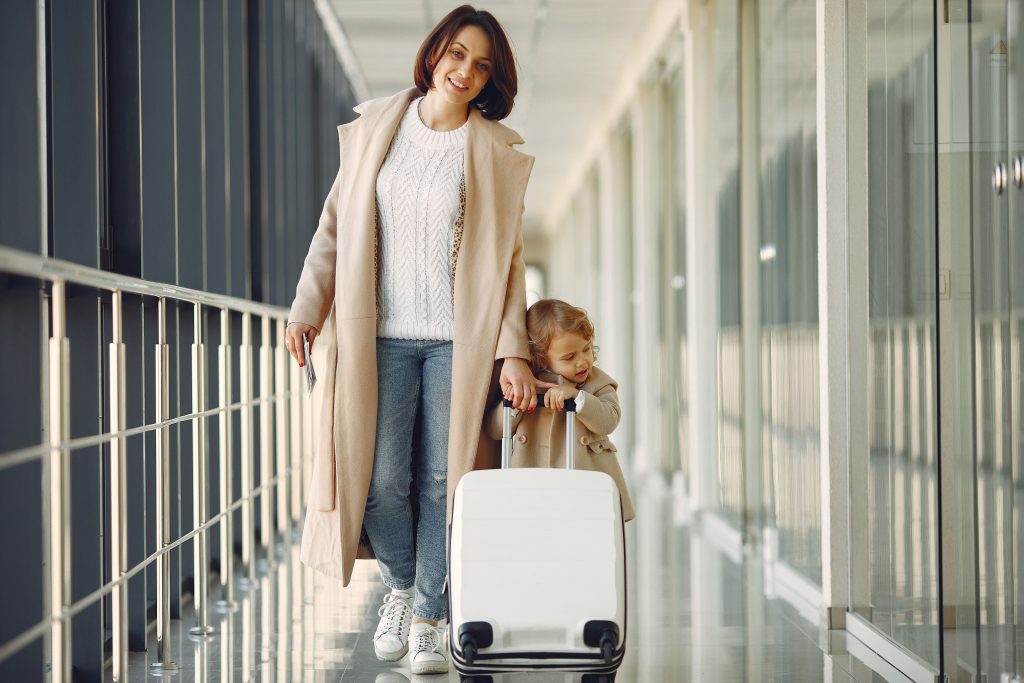
PHOTO: CottonBroStudio/PEXELS