




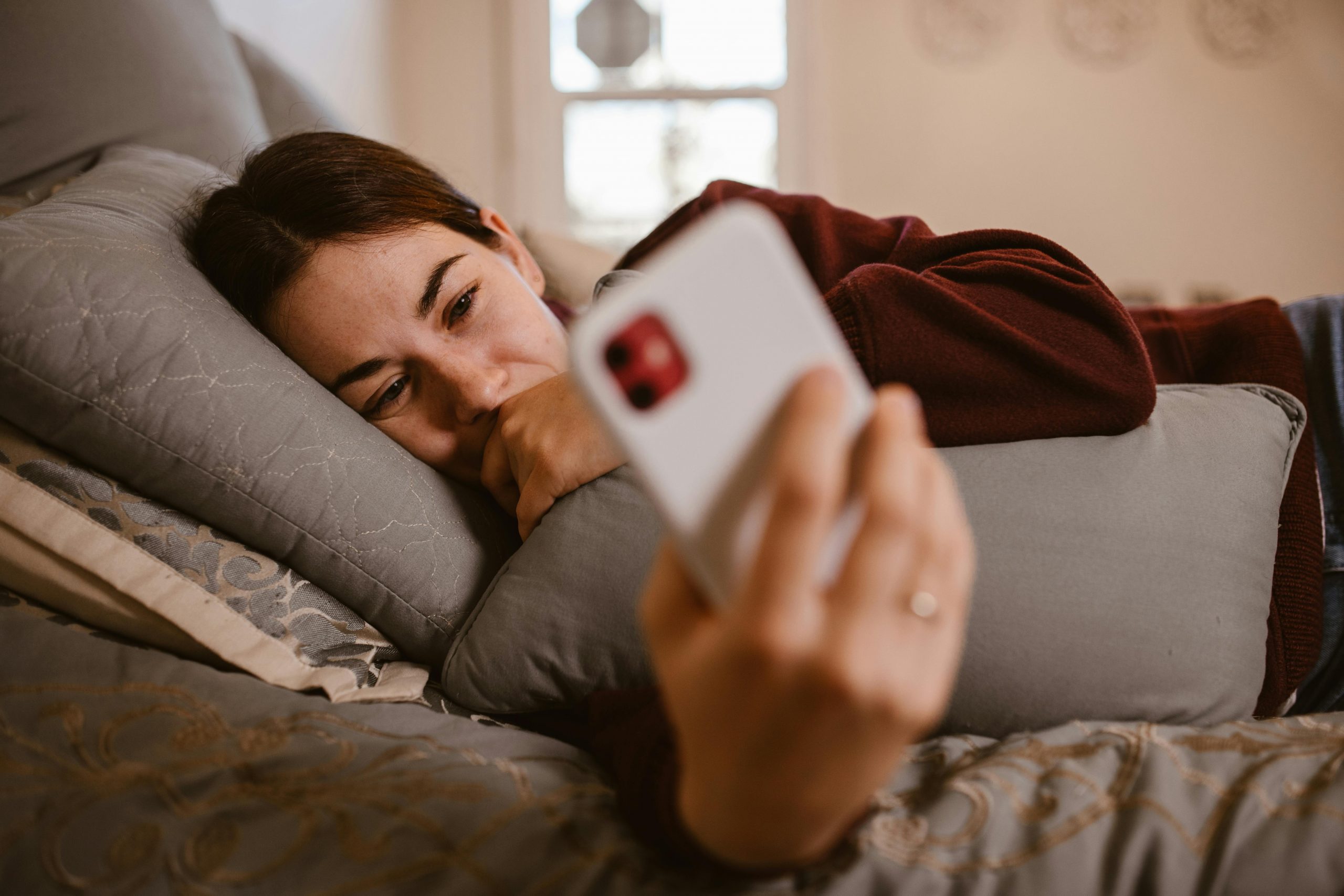
Is Social Media Affecting Our Mental Health More Than We Think?
For many of us, social media is a part of daily life – something we turn to for connection, news and entertainment. But as its role in our lives continues to grow, so do conversations about its impact on mental health. Jacob Bryant shares some reflections and practical tips.
For expats and globally mobile individuals, the relationship with social media can be even more complex. Social platforms often become a bridge to loved ones back home, while also shaping how we experience our new environments.
A double-edged sword
Social media has undeniable benefits. It allows people to stay connected across borders, maintain relationships, and find communities in unfamiliar places. For expats, this can ease feelings of isolation and support cultural adjustment.
At the same time, excessive or unintentional use of social media has been linked to:
- Anxiety and depression
- Sleep disruption
- Decreased self-esteem
- Feelings of loneliness and comparison
Ironically, the very tools designed to connect us can sometimes leave us feeling more disconnected from ourselves and others.
A growing concern
Recent research and trend analysis continue to highlight how deeply social media can influence behaviour, attention and mental health, especially among younger users. Patterns around screen time, comparison culture and compulsive app use suggest that dependence is rising, not declining.
For a deeper look into these trends – including which platforms may have the strongest impact, how usage is evolving, and what the data says about mental health outcomes – this breakdown on social media addiction offers additional insight: https://www.lanierlawfirm.com/social-media-addiction/statistics/.
Why expats may be more vulnerable
Living abroad comes with unique emotional challenges: adjusting to a new culture, building a social network from scratch, and navigating distance from family and friends.
Social media can amplify these feelings in several ways:
- Comparison culture: Seeing curated snapshots of others’ lives can make it seem like everyone else is thriving or adapting more easily.
- Time zone gaps: Real-time connection isn’t always possible, leading to delayed or limited interaction.
- Feeling “between worlds”: Expats may find themselves constantly looking back at life in their home country while struggling to feel fully present where they are now.
- Emotional reliance: Social platforms can become a primary (and sometimes unhealthy) source of comfort.
When social media becomes a substitute for real-world connection rather than a supplement, it can start to take a toll.
Signs your social media use may be affecting your well-being
It’s not always obvious when social media habits cross into harmful territory.
Some signs to watch for include:
- Feeling anxious, flat or emotionally drained after scrolling
- Constantly checking apps without a clear purpose
- Comparing your life negatively to others
- Losing track of time online
- Using social media to avoid real-life situations or emotions
Awareness is not about judgement – it’s simply the first step toward making more intentional choices.
5 ways to create healthier digital habits
The goal isn’t to eliminate social media, but to use it more intentionally.
- Set boundaries: Designate specific times for social media use instead of checking it throughout the day.
- Curate your feed: Follow accounts that inspire, educate, or uplift – and unfollow those that trigger negativity, stress or comparison.
- Prioritize real connections: Make time for in-person interactions or meaningful conversations, including via phone call or voice-note with loved ones at home, whenever possible.
- Take breaks: Short digital detoxes can help reset your relationship with social media and improve mental clarity.
- Pause before opening the app: Ask yourself: “Why am I opening this right now?” Building awareness can reduce automatic habits.
Finding balance in a connected world
Social media isn’t inherently harmful, but like many tools, its impact depends on how we use it. For expats, it can be both a lifeline and a challenge.
By approaching it with awareness and intention, it’s possible to maintain the benefits of connection without becoming overwhelmed or compromising mental well-being. Creating a healthy balance allows social media to support our lives rather than quietly take them over.
What is one small change you could make to create a healthier relationship with social media this week? What helps you feel genuinely connected beyond the screen?
PHOTO: RDNE Stock Project
ABOUT THE AUTHOR
Jacob Bryant is a content writer and communications consultant who writes about safety, mental health and emerging digital risks, including in collaboration with legal and advocacy organisations. His work focuses on providing clear, research-backed insights to help people make informed decisions in an increasingly digital world.