




Learning to Sit With What’s Hard: 5 Ways to Build Your Tolerance for Discomfort
If you feel sad, distracted, restless, lonely or anxious, the impulse is often to solve it – distract yourself, optimise your routine, push forward, reframe positively, or eliminate the source altogether. But what if not all discomfort needs to be fixed? We share some reflections and tips.
Some discomfort is not a sign that something is wrong. It may be a sign that something is changing, growing, surfacing or asking for attention. The ability to sit with emotional discomfort without immediately trying to escape it, is a powerful skill. It builds resilience, deepens self-awareness, and can support more grounded decisions in relationships, work and life transitions.
This doesn’t mean suffering unnecessarily. It means learning the difference between discomfort that can be held and dynamics that should not be endured.
Why tolerance for discomfort matters
Sitting with discomfort, even briefly, can help us:
- Build emotional resilience
- Reduce impulsive decision-making
- Strengthen self-trust
- Increase clarity
- Develop compassion for ourselves and others
Discomfort tolerance is not about becoming stoic or suppressing emotion. It’s about allowing space between feeling and reacting.
Discomfort vs. dysfunction: an important distinction
Not all discomfort should be endured. There is a meaningful difference between:
- Feeling anxious before a difficult conversation
- Feeling lonely while adjusting to a new country
- Feeling restless during personal growth
and
- Being in an emotionally unsafe relationship
- Experiencing persistent disrespect or manipulation
- Living in a chronically harmful or abusive dynamic
Learning to sit with discomfort does not mean tolerating harm. If something consistently compromises your emotional safety, dignity or wellbeing, that may be a sign that change – or distance – is needed.
6 Practical Ways to Build Your Tolerance for Discomfort
-
Therapy: A safe space to explore what’s uncomfortable
Therapy is one of the most powerful ways to develop discomfort tolerance. It offers a structured, supportive environment where you can explore difficult emotions without needing to fix them immediately. Over time, this builds capacity. You learn that you can experience sadness, anger, fear or uncertainty – and remain steady.
-
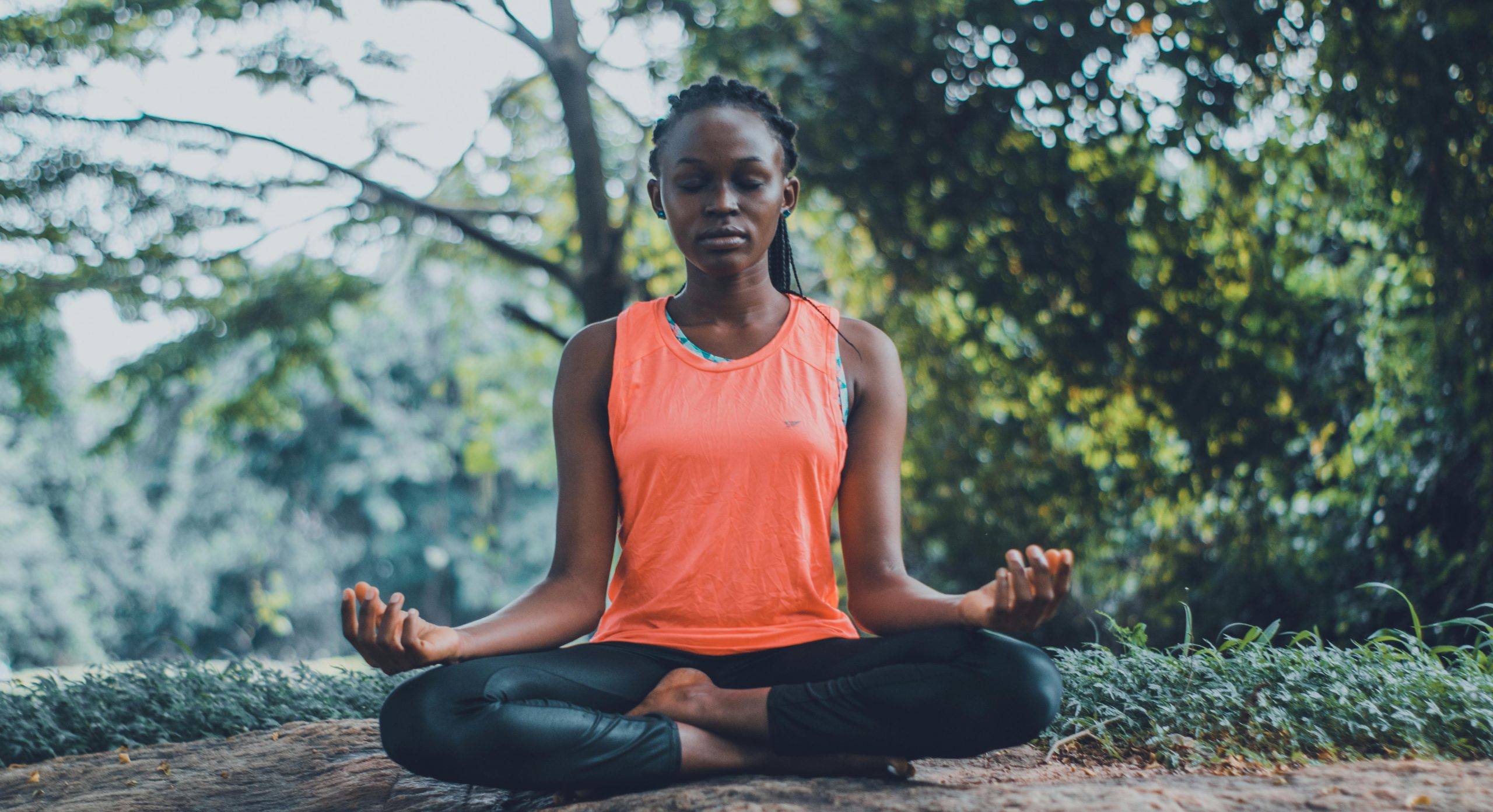
Meditation and mindful awareness
Mindfulness practices gently train the nervous system to observe thoughts and sensations without reacting to them. Even five minutes a day of noticing your breath, body, or thoughts can increase your ability to stay present when discomfort arises. The key isn’t to empty the mind. It’s to watch what comes – and allow it to move through.
-
Working through the body
Intentional somatic practices such as yoga, breathwork or conscious movement can strengthen your tolerance for physical and emotional intensity. This can be a way to see how discomfort can rise and fall without overwhelming you.
-
Naming the feeling
When discomfort arises, try identifying it with simple language:
- “This is anxiety.”
- “This is disappointment.”
- “This is loneliness.”
Research shows that naming an emotion can reduce its intensity. It can also create a little distance – enough to respond thoughtfully rather than reactively.
-
Expanding your window gradually
You don’t build tolerance by throwing yourself into overwhelming situations. You build it incrementally. Have one difficult conversation instead of five. Sit with uncertainty for 10 minutes instead of an hour. Stay with a feeling just a little longer than usual. Small repetitions create capacity.
You don’t have to feel better immediately
There is wisdom in allowing yourself to experience a full emotional range. Discomfort often carries information – about boundaries, unmet needs, grief, change or desire.
Sitting with what’s hard is not about passivity. It’s about pausing long enough to respond with intention rather than urgency. And if something feels too heavy to hold alone, support is available. You’re always welcome to reach out to Expat Nest for a free introductory call to explore whether individual or relational support might help you navigate what feels difficult.
What might shift if you allowed yourself to sit with discomfort just a little longer – without rushing to fix it?
PHOTO: Oluremi Adebayo/Pexels